The calendar we actually use
If a flower is famous in a month it does not grow, we will not stock the costume.
This is the year as the wholesale floor shows it to us. Forced stems exist. We use them rarely, and we say so when we do.
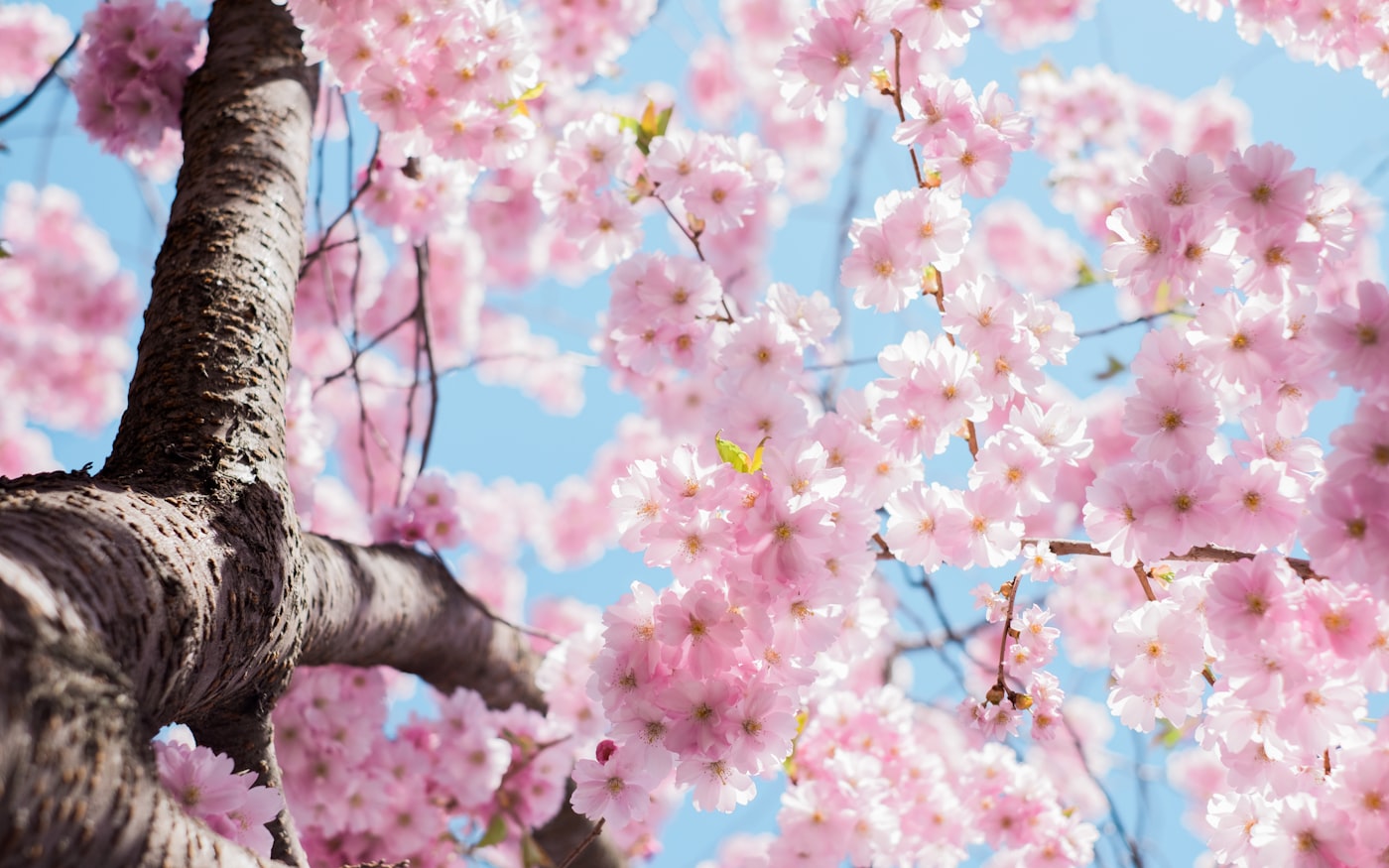
 Spring
Blossom, lilac, peony
The year starts with branches: quince, cherry, forsythia. Then iris and lilac, which perfume a whole apartment and collapse in a hot room. Peonies close the season. We buy them in bud and let the client decide how fast they should open. Tulips still appear, but we treat them as a movement, not a statue — they will grow in the vase.
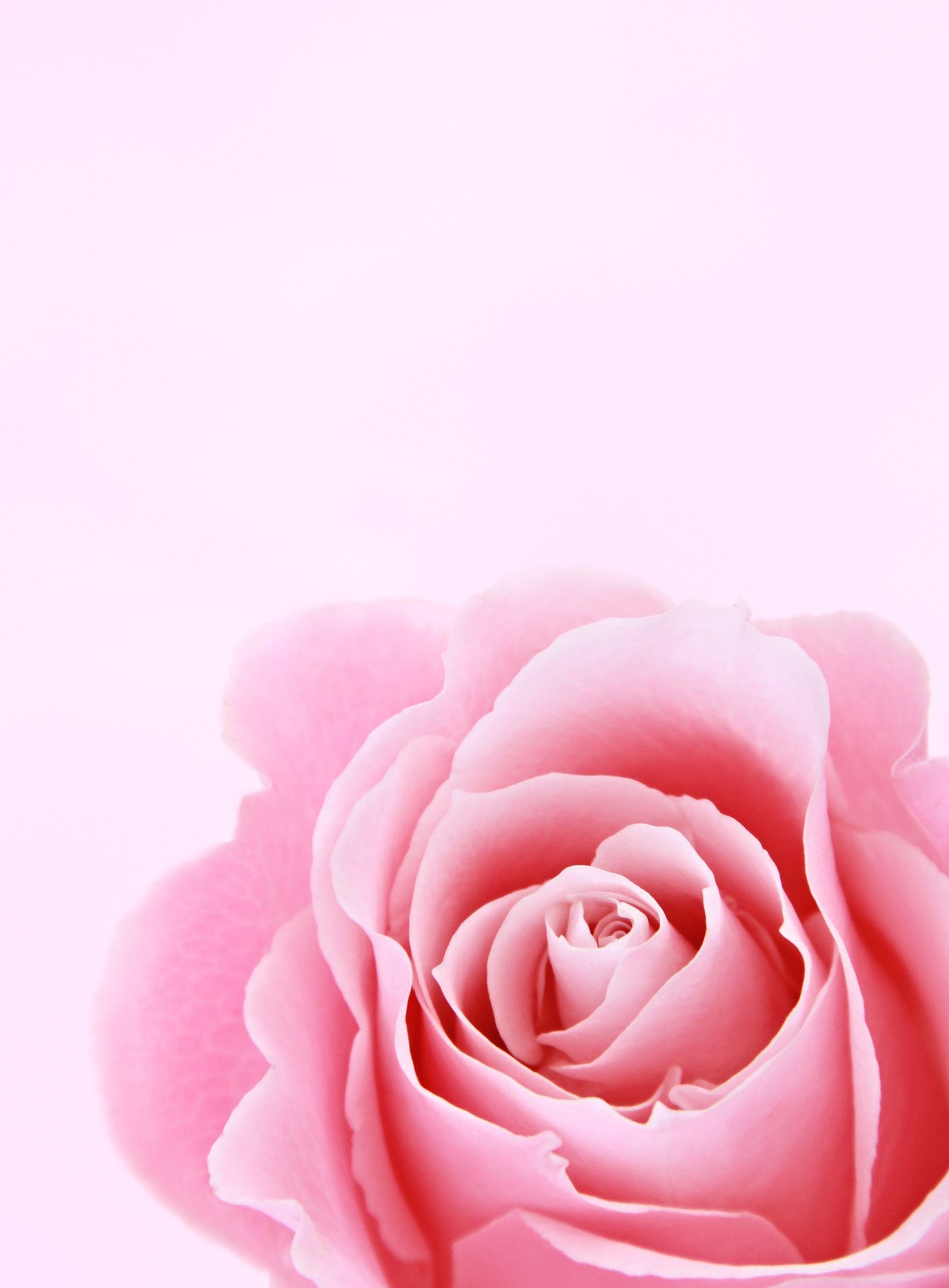 Summer
Garden roses and the first dahlia
This is the only time we can speak honestly about scent. Garden roses, sweet pea, stock. Ranunculus if the mornings stay cool. By late July the first local dahlias arrive and the work gets heavier. Hydrangea is useful and also thirsty; we will not send it to a sunlit terrace without a warning.
 Autumn
Pigment, seed heads, grass
Dinner-plate dahlias, chrysanthemum that still looks like a garden flower, copper beech, oat and millet. The palette goes from sugar to rust. Arrangements can be fewer stems and more air. This is the season clients remember as “expensive” when it is often simply more considered.
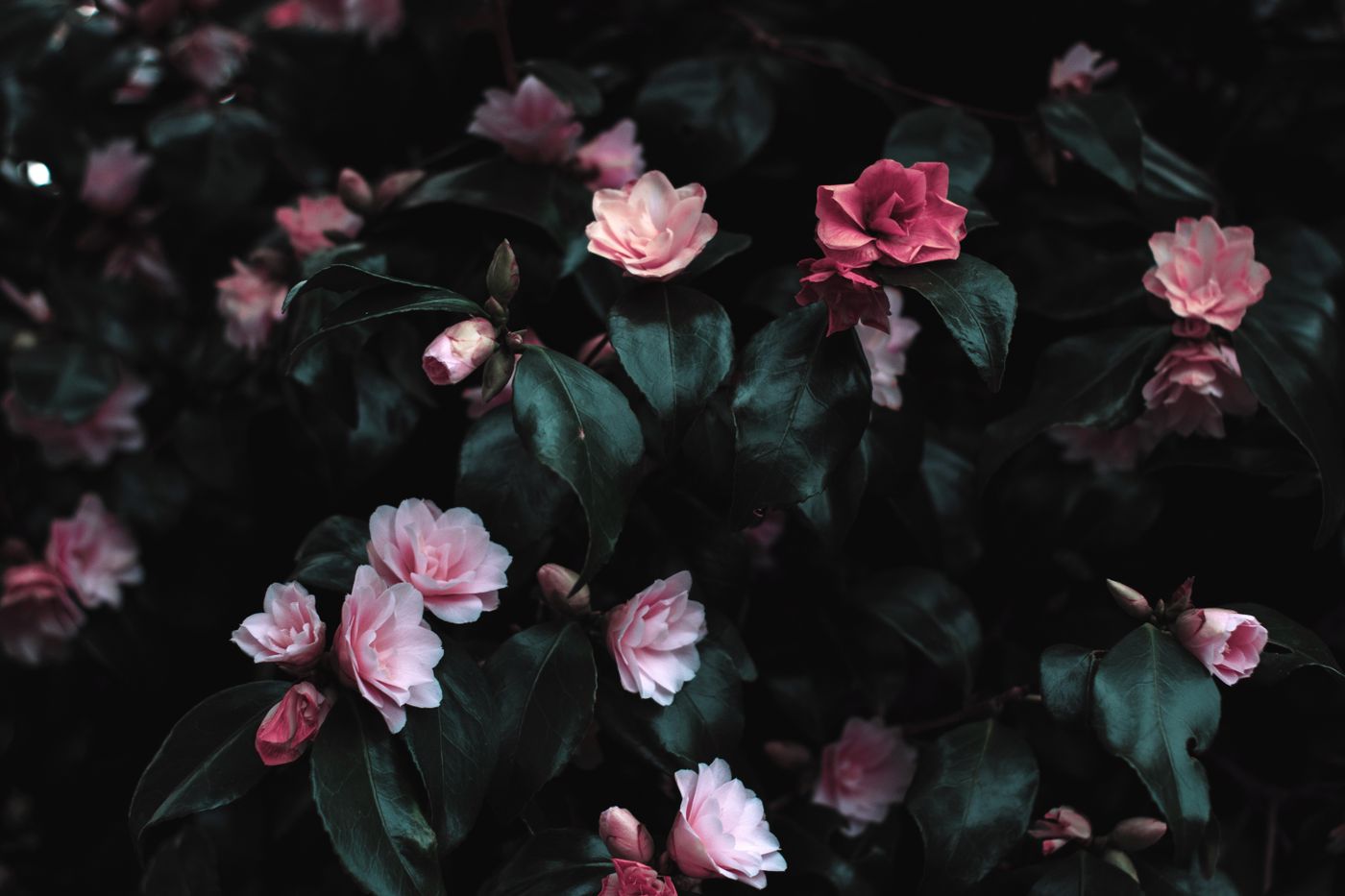 Winter
Hellebore, anemone, foliage
The garden is quiet. We do smaller work: ink-dark anemones, hellebores that bruise if you look at them wrongly, evergreen and paperwhite for scent. A forced peony in January is a different product. If you want one, we will source it and we will not pretend it is June.