 01
01Change the water
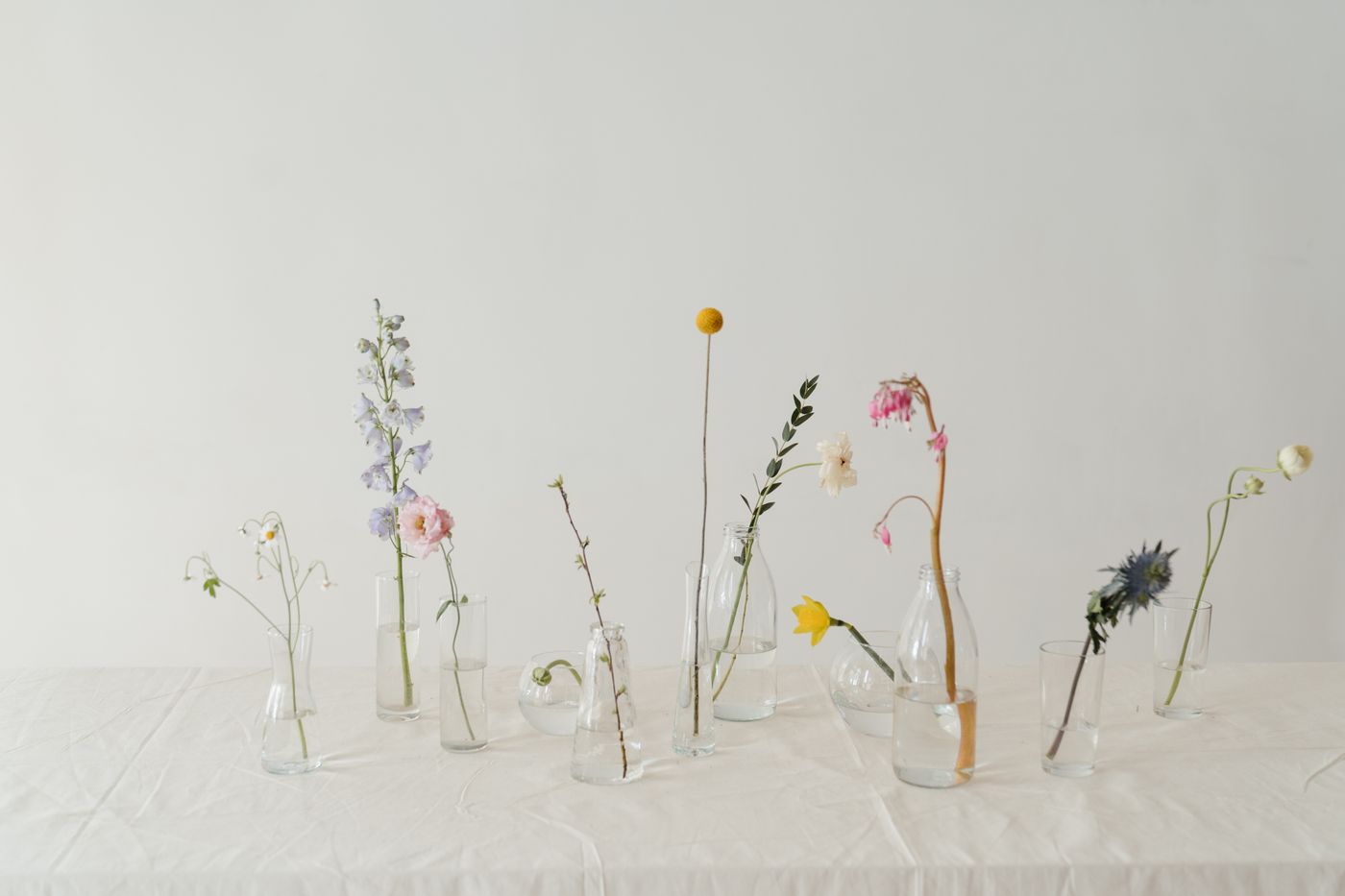
Bacteria close the stem. A daily rinse of the vase and a fresh fill does more than any sachet. Cool water for lilac and tulips. Room temperature for roses and peonies.
Care studio
This is the method we use on Rowan Lane and the one we send home with every order. The longer essay is Keeping cut flowers.
 01
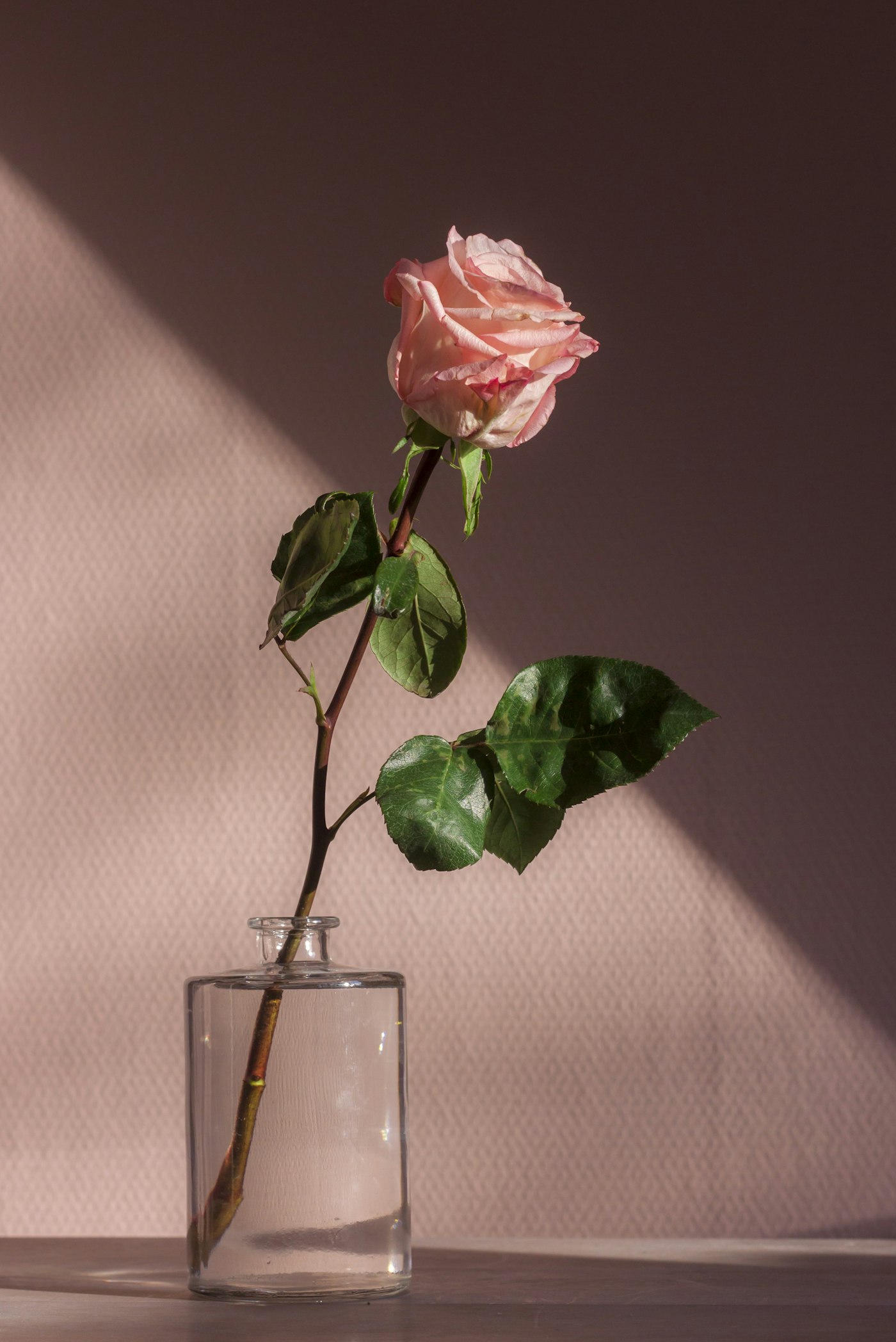
01Bacteria close the stem. A daily rinse of the vase and a fresh fill does more than any sachet. Cool water for lilac and tulips. Room temperature for roses and peonies.
 02
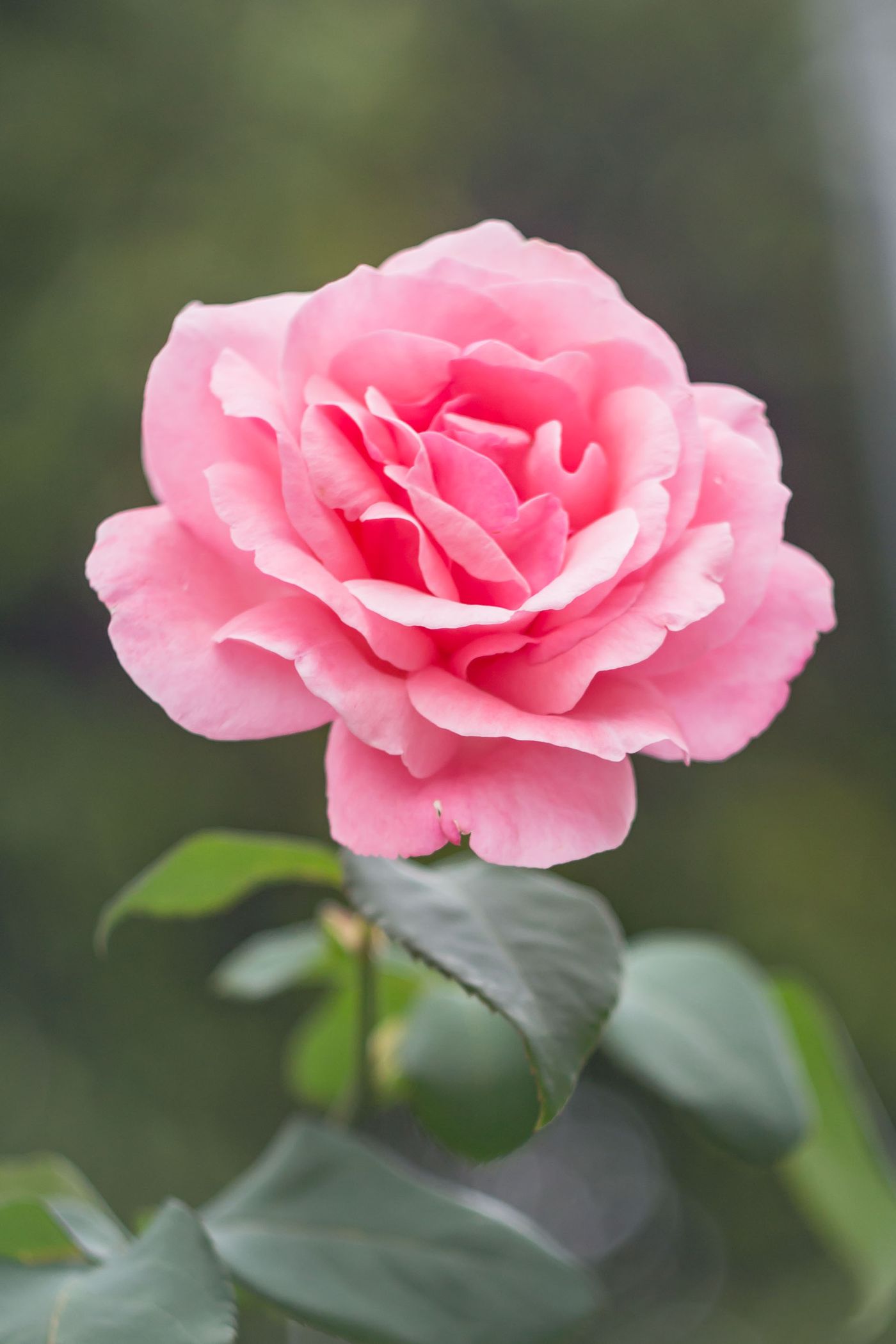
02One clean cut, about two centimetres, with a sharp knife. Crushing a dahlia with blunt scissors is the fastest way to starve it. Strip any leaf that would sit below the waterline.
 03
03Ethylene from ripe fruit, a sunny window and a radiator will age a bouquet in hours. A cool room overnight can add two extra days. That is not folklore. It is chemistry you can see.
 04
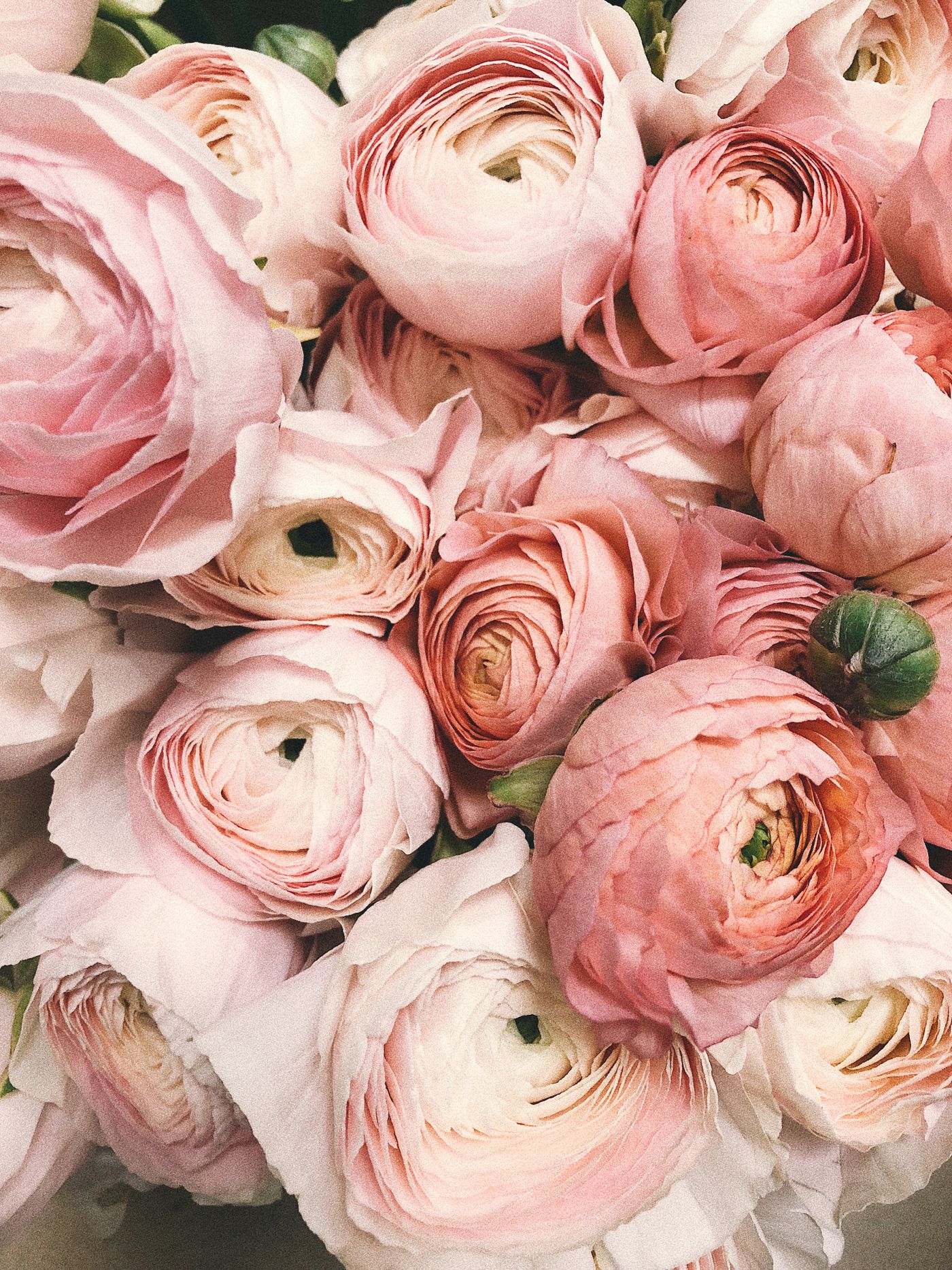
04We rest every stem in deep water for at least an hour before arranging. Soft stems such as anemone and hellebore get a longer drink and a quieter corner.
Peonies. Arrive closed if you want them to last. Warmth opens them; a cooler room slows the show. If a head droops, recut and give it a deep drink for thirty minutes before returning it to the bowl.
Garden roses. They drink hard on the first day. Guard petals can be removed. Leave the calyx intact. A bent neck usually means a late cut or stale water.
Dahlias. Hollow stems hate air locks. Recut under water if you can. Never let the vase run low; a dry hour is often the end of the bloom.
Lilac and blossom. Scrape or split the woody end. These perfume a whole apartment and are the first to suffer in heat.
Hydrangea. If a head goes papery, recut and submerge the whole flower in cool water for twenty minutes. It is dramatic and it often works.
If a single stem fails, take it out. One rotting end will spoil the rest. The bouquet should get lighter through the week, not sadder.